

What are dental crowns?
Dental crowns are restorations that fit over your teeth. If a tooth is significantly damaged or broken down, a crown covers it from all sides, almost like a helmet protecting your head.
The crown replaces lost tooth structure, helps protect the remaining tooth, and restores its appearance and function.
What are the alternatives to dental crowns?
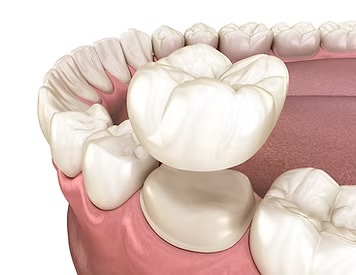
If a tooth is significantly damaged and a crown is recommended, there may be limited alternatives that provide the same level of protection.
Depending on how much healthy tooth structure remains, other restorations, such as fillings or onlays, may sometimes be appropriate. However, if the tooth is too weakened, these options may not provide adequate support.
Leaving a severely damaged tooth untreated can increase the risk of fracture or further deterioration, potentially leading to extraction. That's why I recommend addressing the problem when a crown is indicated.
What types of dental crowns are available?
There are several types of dental crowns, and advances in dental materials have given us more options for restoring teeth.
One traditional material is gold alloy. Gold crowns have been used for many years and are known for their durability, although they're less commonly selected today because of their metallic appearance.
Another option is porcelain fused to metal. These crowns have a metal substructure covered with porcelain, combining the strength of metal with a more natural-looking exterior.
Zirconia crowns are also very common. Zirconia is a strong ceramic material that can provide durability and a natural appearance. It's used for many different types of restorations.
Another ceramic option is lithium disilicate, often known by the brand name IPS e.max. This material offers strength and attractive aesthetics, making it useful for certain crowns, particularly when appearance is an important consideration.
Each material has different advantages and indications. The appropriate choice depends on the tooth's location, your bite, the condition of the remaining tooth structure, and your aesthetic preferences.
What are the advantages and disadvantages of different crown materials?
Zirconia crowns are popular because they're strong, durable, and can closely resemble natural teeth. Monolithic zirconia crowns are made from a single ceramic material, which eliminates the risk of a separate porcelain veneer layer chipping.
However, the appearance of the underlying tooth can influence which material we recommend. If a tooth is significantly discolored, we may need a more opaque restoration to conceal that darkness.
Porcelain-fused-to-metal crowns can be useful in these situations because the metal substructure helps mask discoloration beneath the restoration.
Different ceramic materials also offer varying levels of translucency, strength, and aesthetics. We evaluate these factors before selecting the appropriate crown for your tooth.
Is a dental crown necessary after root canal treatment?
In many cases, yes. Teeth that require root canal treatment have often already lost significant tooth structure because of decay, fractures, or previous restorations.
A crown can help protect the remaining tooth from fracture, particularly when the tooth is located toward the back of the mouth and experiences substantial chewing forces.
However, not every tooth that receives root canal treatment requires a crown. If the tooth is largely intact and only a small opening was needed to access the pulp, a filling may sometimes be sufficient.
We'll evaluate how much healthy tooth structure remains and determine whether a crown is necessary to protect the tooth long-term.
What happens during the dental crown procedure?
After your initial consultation, we'll schedule an appointment to prepare the tooth for the crown.
During the first visit, we carefully shape the tooth to create enough room for the restoration. Then we take either a digital scan or a traditional impression, which is sent to a dental laboratory where the crown is fabricated.
You'll typically return approximately two weeks later for the final restoration. At that appointment, we'll try in the crown and evaluate its fit, bite, appearance, and comfort.
Once everything meets our clinical requirements, we'll permanently cement the crown onto the prepared tooth. We'll also provide instructions for caring for your new restoration.
Does dental crown placement hurt?
Dental crown placement is generally a comfortable procedure. During the tooth preparation appointment, we typically use local anesthesia to numb the area and minimize discomfort.
At the second appointment, when the permanent crown is placed, local anesthesia may not be necessary because the procedure usually involves less manipulation of the natural tooth.
Some temporary sensitivity or soreness can occur afterward, but significant or persistent pain should be evaluated by your dentist.
Are there any risks or side effects of getting a dental crown?
Dental crowns are designed to protect damaged teeth, restore function, and improve their appearance. They can also smooth rough or broken tooth surfaces that may irritate your tongue or cheeks.
However, as with any dental procedure, there are potential risks. Some patients experience temporary sensitivity or gum tenderness, and occasionally a crown may require adjustment if the bite doesn't feel right.
Over time, crowns can also become worn, loosen, or develop damage. Regular dental visits help us identify these concerns before they become more significant.
When do children need dental crowns?
Sometimes children need crowns when their baby teeth have extensive decay or damage.
If a primary tooth is significantly broken down but needs to remain in place for several more years, a crown may help protect it until the permanent tooth is ready to erupt.
Preserving baby teeth is important because they help maintain the space needed for permanent teeth. When a primary tooth is lost too early, neighboring teeth may shift into that space and interfere with the eruption of the adult tooth.
However, if a baby tooth is close to falling out naturally, a crown may not be necessary. The decision depends on the child's age, the condition of the tooth, and how long it's expected to remain in the mouth.
Do dental crowns look like natural teeth?
Yes, dental crowns can be designed to closely resemble natural teeth. We can customize their shape, size, and color to complement your smile.
In some cases, crowns can also improve the appearance of teeth that are discolored, misshapen, or damaged.
For example, if a patient is receiving several crowns on the front teeth, we may be able to create a lighter shade and more uniform appearance while maintaining a natural-looking result.
Can you get cavities under dental crowns?
The crown itself cannot develop a cavity because it's made from restorative materials rather than natural tooth structure.
However, the natural tooth underneath can still develop decay, particularly around the margin where the crown meets the tooth.
If plaque and bacteria accumulate around that area, they can contribute to cavities in the exposed tooth structure.
That's why brushing and flossing remain just as important after getting a crown as they were before treatment.
How should you care for dental crowns?
I recommend brushing twice a day, preferably with an electric toothbrush, and flossing regularly to keep the teeth and gums healthy.
If you have multiple crowns or a history of clenching and grinding, I may also recommend an occlusal guard, also called a night guard, to help protect your restorations from excessive biting forces.
Regular dental examinations are also important. They allow us to check the condition of your crowns and identify any problems early, when they may be easier to address.
How long do dental crowns last?
Dental crowns can last for many years. Some studies have followed crowns and bridges for 15 to 20 years and found favorable long-term survival rates.
However, longevity varies depending on several factors, including the crown material, the location of the tooth, the condition of the underlying tooth, and your oral hygiene habits.
Teeth that have received root canal treatment may have different long-term outcomes than teeth that haven't, particularly when substantial tooth structure was lost before the crown was placed.
With proper care, many crowns last 10 to 15 years or longer, and some remain functional for 20 years or more.
Does dental insurance cover crowns?
Many dental insurance plans provide some coverage for crowns when they're considered medically necessary or restorative.
However, coverage depends on your individual plan, including deductibles, annual maximums, waiting periods, and other limitations.
Our team can help you review your benefits and understand your estimated out-of-pocket costs before treatment.
How can you schedule an appointment for a dental crown?
If you think you need a dental crown, you can contact our office by phone or visit our website to request an appointment.
We'll evaluate your tooth, discuss the available restoration options, and help you determine the appropriate next step.
If you’re ready to schedule an exam or would like to learn more about our services, we’d love to hear from you. Call us at (585) 522-1922 or email [email protected]. We look forward to caring for your smile.