
Do You Have Questions About What to Expect After Dental Implant Surgery? We Can Help.
Dental implants offer a more permanent solution for replacing missing teeth than traditional methods like dental bridges and conventional dentures. If you have just had dental implant surgery or are contemplating this procedure, you may have questions about what to expect during the healing process. This article covers what foods you can eat and what to avoid, oral hygiene practices, and more — including the most common questions and answers about post-dental implant surgery care.
Please note: These are recommendations for the average dental implant patient. Because each person's physical and oral health is unique, you should follow the post-surgical instructions provided by the person who performed the implant surgery or their staff.
Q: What can I expect the first few days after dental implant surgery?
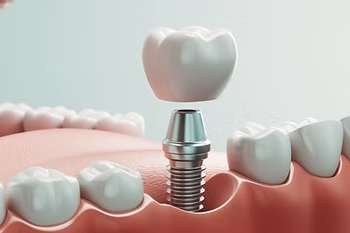
A: Immediately following dental implant surgery, you may experience some discomfort and sensitivity. This can be managed by taking over-the-counter pain medications and applying ice packs. In some cases, your prosthodontist or oral surgeon may prescribe pain medications. Here is what you can generally expect in the first couple of weeks after surgery:
- Days 1–3: The surgical area will have some swelling and soreness which can be alleviated with over-the-counter pain medications. You can expect a small amount of bleeding in the first 24 hours, and in some cases some bruising on your cheek or jaw. This is all normal.
- Days 4–7: By this time any soreness and swelling should be significantly reduced. You may feel some tightness and pulling around the stitches. If you notice increased pain, swelling, heavy bleeding, or are experiencing a fever, contact the prosthodontist or oral surgeon who performed the surgery.
- One to Two Weeks: Pain and swelling continue to reduce as the gum around the implant closes, which should make the surgical area feel more comfortable.
Q: What should my eating habits be following dental implant surgery?
A: Here is what you can expect in the first week after dental implant surgery:
Days 1 & 2
The first two days following your dental implant surgery you should avoid eating or drinking anything hot, which can increase bleeding. Avoid hard or crunchy foods, and be sure not to chew foods on the implant side of your mouth. Avoid carbonated beverages, which can prevent clotting, and alcohol, which can slow healing. Do not drink liquids through a straw, which can dislodge clotting.
Foods to Avoid:
- Crunchy foods like chips, nuts, and hard breads
- Hard candies or gum
- Sticky foods
- Hot foods
- Spicy foods
- Tough meats
What to Eat:
- Yogurt
- Applesauce
- Mashed potatoes
- Smoothies (no straw)
- Puddings and custards
- Scrambled eggs
- Soft oatmeal (cooled)
Days 3–7
After the first 48 hours and for the rest of the week, continue eating soft foods at cool or room temperature — never hot. Maintain all food restrictions from the first two days, and you can add the following to your diet:
What to Eat:
- Eggs (any style)
- Pancakes and waffles
- Soft fruits (like bananas and ripe peaches)
- Soft-cooked vegetables
- Soft-cooked rice
- Soups (with no crunchy bits)
- Cottage cheese
- Soft noodles and pasta
- Soft fish (like salmon and tilapia)
Q: What oral hygiene habits should I follow during implant surgery healing?
A: Here is a general guide for taking care of your oral health immediately following dental implant surgery:
Days 1 & 2
The first few days after implant surgery, treat the surgical area with great care so the natural healing process can take place and to minimize damage to the implant area:
- When brushing, avoid direct contact with the surgical site.
- Gently rinse your mouth with water after every meal, avoiding any vigorous rinsing.
- You can rinse with saltwater after 24 hours post-surgery (or as directed by your prosthodontist or oral surgeon).
Days 3–14
- You can begin to brush your other teeth with a soft-bristle toothbrush, but continue to avoid the surgical site so that you do not disturb the stitches (unless your prosthodontist or oral surgeon allows).
- Continue to gently rinse with saltwater 2–3 times a day, or use a prosthodontist- or oral surgeon-recommended antimicrobial rinse (often 0.12% chlorhexidine gluconate).
Weeks 3 & 4
- Continue to brush around the surgical site, but with care.
- You may use a water flosser on the lowest setting after initial healing.
Over the Next Several Months
Keep maintaining excellent oral hygiene and keep all follow-up appointments with your prosthodontist or oral surgeon to check the integration of implant to bone (osseointegration). Your artificial tooth (the crown) will be placed 3–6 months after dental implant surgery.
Q: What warning signs should I look out for that tell me I should contact my prosthodontist or oral surgeon?
A: If you are experiencing any of the following after dental implant surgery, contact your dental office immediately:
- Increased pain at the surgical site after the first 3–4 days, extreme pain that lingers after the first 48 hours, or pain that suddenly gets worse — this may indicate an infection or irritation from the implant.
- A low-grade temperature is common the first day after surgery, but if you are not feeling well in general or have a persistent high fever, contact your prosthodontist or oral surgeon.
- Increased swelling after day three.
- Bleeding that doesn't stop — although some oozing is normal.
- A foul taste in your mouth, pus, or discharge, which is often a sign of infection.
- The implant abutment has moved or feels unstable.
- Numbness, especially in your lower jaw, that appears suddenly and does not improve.
- Difficulty opening your mouth that gets worse over time — although some stiffness is normal.
- Your stitches are coming out early after surgery.
- You feel a sharp poking sensation.
Never hesitate to contact your prosthodontist or oral surgeon if you notice any of these warning signs, so you can avoid possible complications.
Conclusion
Dr. Isaac Kuyunov and his team at Dental Prosthodontics of Rochester will make every effort to ensure that your dental implant surgery and recovery are as comfortable as possible. Whether you're interested in implant-supported crowns, implant-supported dental bridges, full-arch dental implants, or implant-supported dentures, contact us to schedule a one-on-one consultation or call (585) 522-1922 to schedule an appointment. We want to help you achieve the confidence and function of a full smile.